
Consent Decrees and Capital Planning: What Compliance Actually Costs
A consent decree isn't just a legal document, it's a multi-decade capital and operating commitment that reshapes a utility's budget long after it's signed.
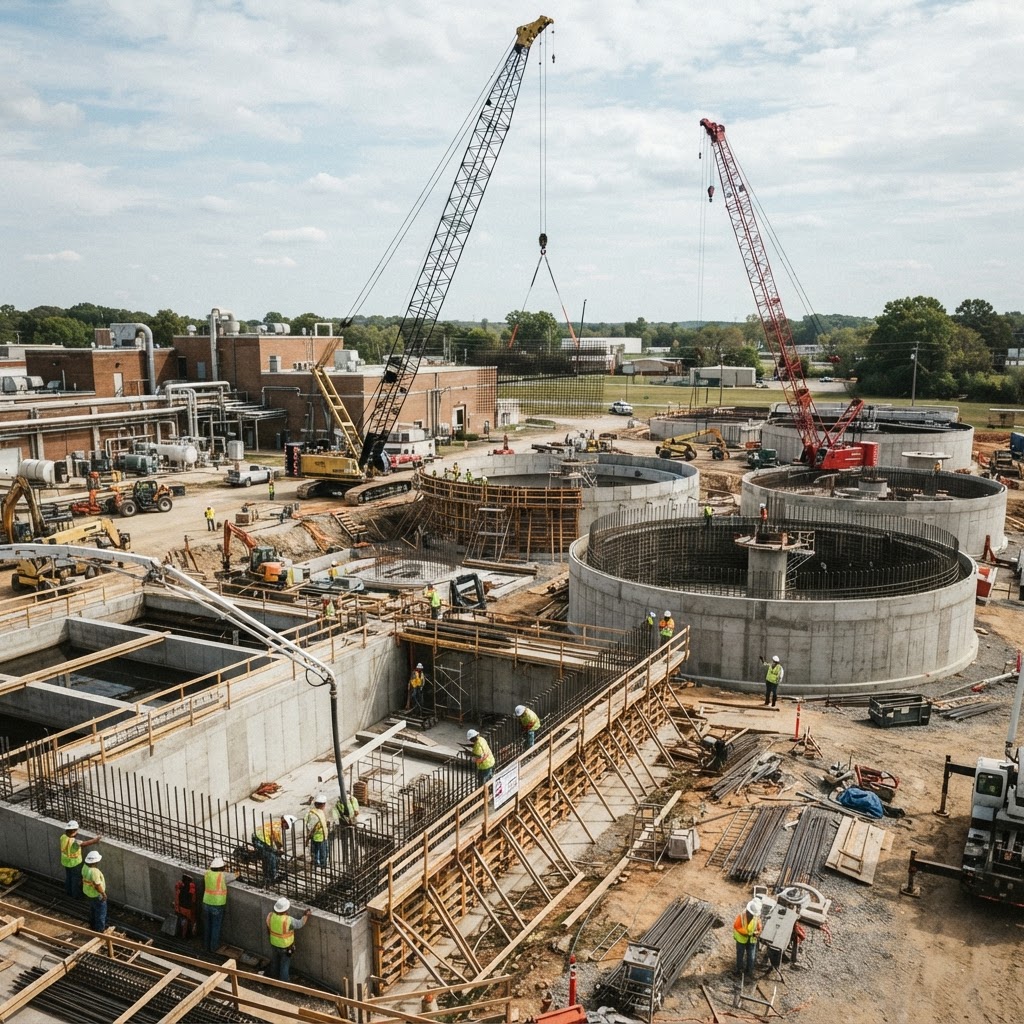
Utilities typically end up under a consent decree after a pattern of permit violations, most commonly sanitary sewer overflows or combined sewer overflows, that regulators conclude won't be resolved through routine enforcement alone. The decree itself is a legal settlement, but its real substance is a long-term control plan (LTCP): a specific, court-enforceable schedule of capital projects, typically spanning 15-25 years, that the utility commits to funding and completing.
Understanding the LTCP as a capital planning document, not just a compliance obligation, changes how a utility should budget around it. Missed milestones in a consent decree don't just risk stipulated penalties (financial penalties for late completion, often built directly into the decree), they can trigger a broader compliance review that reopens negotiation on the entire schedule under less favorable terms. Treating LTCP capital projects as the top-priority line items in the capital budget, ahead of discretionary system improvements, is standard practice for utilities managing these successfully.
Green infrastructure requirements have become a larger share of LTCPs over the past decade, and this shift affects both cost and design complexity. Where older consent decrees focused almost entirely on gray infrastructure (storage tunnels, tanks, treatment capacity expansion), newer decrees and decree amendments increasingly require a defined percentage of green infrastructure (permeable pavement, bioswales, green roofs) as part of the overall control strategy. This adds coordination complexity since green infrastructure often involves partnering with city planning, transportation, and private property owners in ways gray infrastructure projects don't.
Affordability provisions have become a more prominent negotiating point in recent consent decrees, as regulators and utilities both recognize that an LTCP schedule assuming unrealistic rate increases sets up utilities to miss milestones for financial, not technical, reasons. Utilities negotiating new decrees, or seeking amendments to existing ones, increasingly present formal affordability analyses (comparing projected rate impacts against regional income data) to support extended timelines or phased implementation. This is a legitimate and increasingly common negotiating tool, not a sign of non-compliance.
Reporting and demonstration requirements under a consent decree typically go well beyond standard NPDES monitoring, often including detailed capital project status reports, water quality monitoring tied to specific LTCP milestones, and public participation documentation. Underestimating the staff time required to manage this reporting load is a common early planning gap; utilities new to consent decree management often need a dedicated compliance coordinator role that didn't previously exist.
The utilities that manage consent decrees most successfully treat the LTCP schedule as the backbone of their entire capital improvement plan rather than a separate compliance track running alongside normal capital work. That integration, funding LTCP projects first and building rate structures explicitly around the known multi-decade cost, is what keeps a consent decree from becoming an unpredictable financial shock every few years.
A practical tool many utilities now use is a rolling ten-year capital forecast that treats consent decree milestones as fixed, non-negotiable line items and builds all other capital spending around the remaining budget. This reframes the decree from a separate compliance burden into the backbone of the entire capital plan, which is closer to how it actually functions financially over its multi-decade life.
Utilities should also track their own internal milestone performance against the decree schedule continuously, not just at required reporting intervals; catching a slipping milestone six months early gives far more room to negotiate a schedule adjustment than discovering it at the annual compliance report deadline.

Don't stop at the article.
The industry's most useful newsletter, straight from the plant floor.
One email. No fluff. New lessons, equipment breakdowns, and process control notes, delivered when there's something worth reading.