
Trending Regulation Changes Wastewater Utilities Should Watch
From PFAS limits to nutrient standards, here's a county-by-county and state-by-state look at where wastewater regulation is moving fastest.
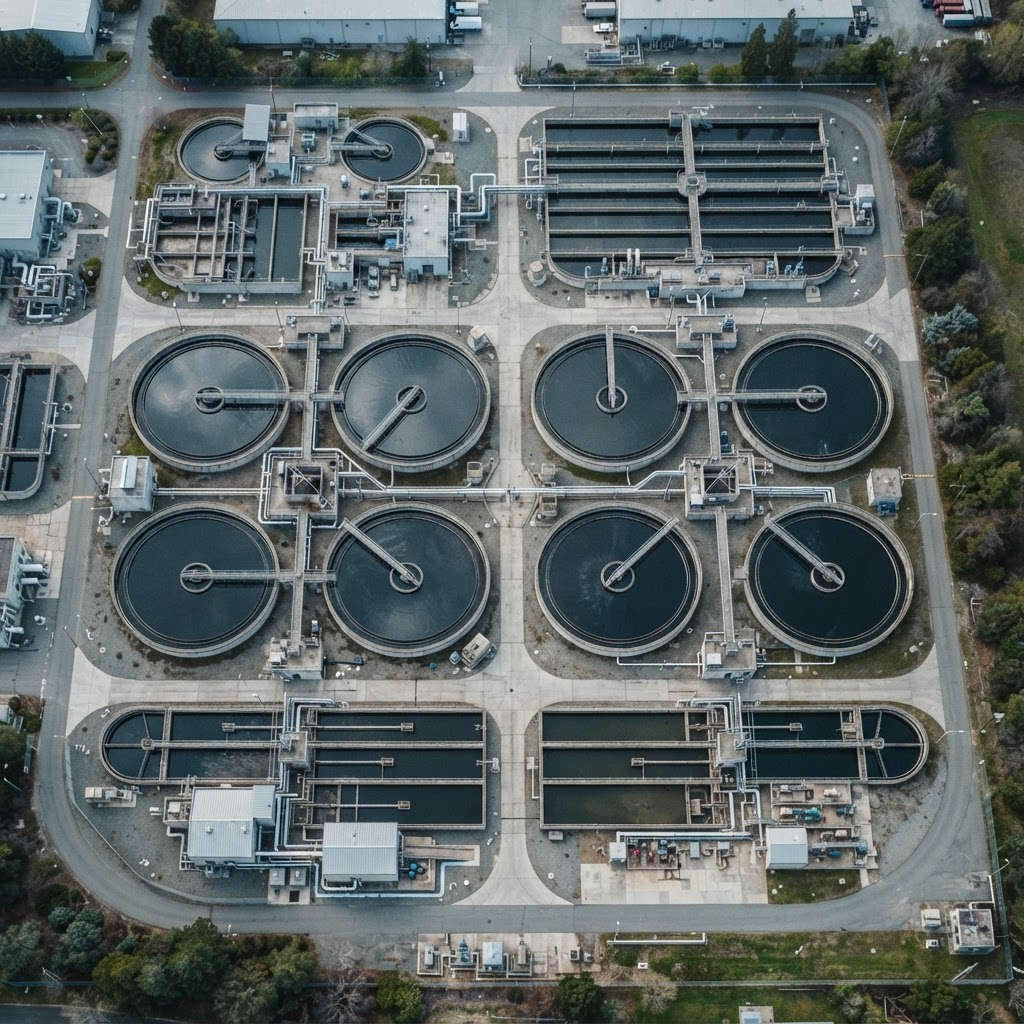
Wastewater regulation used to move at a fairly predictable pace, mostly driven by periodic federal rule updates. That's no longer true. Over the past several years, states and even individual counties have started moving faster than EPA on several fronts, and plants that only track federal rulemaking are increasingly getting surprised by requirements that show up first at the state or local level.
PFAS is the clearest example. While EPA finalized drinking water limits for certain PFAS compounds and has signaled future action on biosolids and wastewater discharge, several states, including Maine, Michigan, and Colorado, moved first with their own PFAS monitoring, discharge limits, or biosolids land application restrictions. Counties within those states have in some cases layered on additional local requirements for industrial pretreatment programs, meaning a plant's actual PFAS obligations can now depend as much on county health department policy as on state or federal rule. If your plant hasn't already inventoried its industrial users for PFAS-contributing processes, that's the first practical step before any specific numeric limit even arrives.
Nutrient standards, nitrogen and phosphorus limits, are the second major area of active change, and here the trend is toward increasingly stringent numeric limits replacing older narrative or technology-based standards. Chesapeake Bay watershed states have had aggressive nutrient reduction requirements for years, but that approach is spreading: Midwest states bordering the Mississippi River basin and Gulf-adjacent states dealing with hypoxia have introduced or tightened nutrient permit conditions county by county as water quality data comes in. Utilities in growing service areas should expect nutrient limits in their next permit renewal to be materially tighter than their current permit, even without a specific new state rule yet on the books, since renewal cycles are where regulators most often ratchet down limits based on accumulated monitoring data.
Combined sewer overflow (CSO) and stormwater integration requirements are shifting too, particularly in older industrial counties with aging combined systems. A growing number of consent decrees now require utilities to demonstrate green infrastructure investment, not just gray infrastructure (storage tanks, tunnels), as part of long-term control plans. Counties negotiating new consent decrees are increasingly citing green infrastructure precedents from other jurisdictions, meaning the bar for what regulators consider an acceptable long-term control plan keeps rising with each new agreement signed elsewhere in the country.
Cybersecurity requirements for SCADA and control systems are the newest regulatory category to watch, and they didn't exist in most permits five years ago. Following EPA guidance and several high-profile water sector cyber incidents, some states have begun requiring utilities to document control system security practices as part of their sanitary survey or permit compliance review, even without a dedicated cybersecurity permit condition yet. Counties with critical infrastructure designations for their water systems are often the first to see these requirements formalized.
The practical takeaway for any utility is that county and state environmental agency websites, not just EPA's federal register, need to be part of a regular compliance-monitoring routine. Many state agencies now publish draft permit language and proposed rule changes for public comment well before anything is finalized, reviewing those comment periods gives utilities lead time to plan capital and operational changes rather than reacting after a new limit is already in the final permit.
A practical way to track this without a dedicated compliance staff role: maintain a running list of pending and proposed rule changes relevant to your permit type, with expected effective dates and a plain-language note on what would need to change operationally if each one takes effect. Reviewing this list quarterly against your capital and O&M budget catches a looming requirement years before it becomes an urgent deadline.
Participating in your state association's regulatory comment process, even briefly, gives visibility into which proposed changes are likely to survive rulemaking versus which are early drafts that may shift significantly before finalization.

Don't stop at the article.
The industry's most useful newsletter, straight from the plant floor.
One email. No fluff. New lessons, equipment breakdowns, and process control notes, delivered when there's something worth reading.