
Enhanced Biological Phosphorus Removal: Getting EBPR to Work Reliably
EBPR can cut chemical costs dramatically, but it's an unforgiving process that fails quietly long before effluent phosphorus tells you something's wrong.
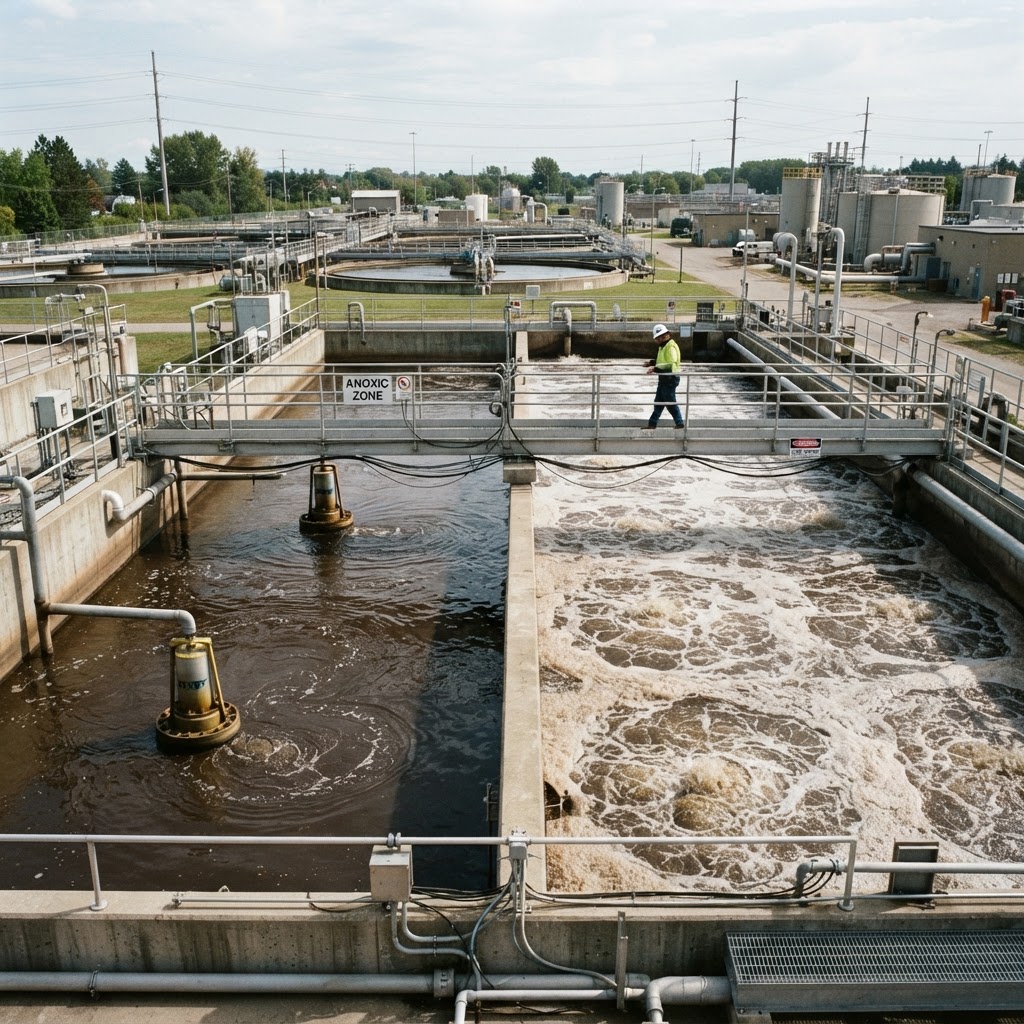
Enhanced biological phosphorus removal relies on a specific group of bacteria, phosphorus-accumulating organisms (PAOs), storing far more phosphorus in their cells than they need for growth, provided the plant gives them the right sequence of anaerobic and aerobic conditions. Done well, EBPR can meet effluent phosphorus limits with little or no chemical addition. Done poorly, it fails in ways that look identical to a dozen other process problems until you understand the specific mechanism driving it.
The anaerobic zone is where the whole process either works or doesn't. PAOs need a true anaerobic zone, no nitrate, no dissolved oxygen, where they take up readily biodegradable carbon (volatile fatty acids, or VFAs) and store it internally as PHA, releasing phosphorus in the process as an energy source for that uptake. If nitrate leaks into this zone from an upstream aerobic zone or poor internal recycle control, facultative denitrifiers will consume the available carbon before PAOs get access to it, starving the EBPR mechanism even though every downstream reading looks normal. This is the single most common reason EBPR underperforms: a "anaerobic" zone that isn't actually anaerobic due to nitrate carryover.
Carbon availability is the second limiting factor, and it's why EBPR performance often tracks influent characteristics more than plant operation. PAOs specifically need VFAs, not just any BOD, to drive phosphorus uptake in the anaerobic zone. Plants with low VFA availability in their influent (common with newer, tighter collection systems that don't develop much septicity before reaching the plant) sometimes add a fermentation step, primary sludge fermenters, to generate VFAs on-site, or dose a carbon source like acetic acid directly to the anaerobic zone.
The aerobic zone is where PAOs take up phosphorus far beyond their normal growth requirement, using the energy reserves built during the anaerobic phase, then get removed from the system through normal wasting. This is the mechanism by which phosphorus actually leaves the plant: it has to be wasted out with the sludge, not just temporarily stored. If wasting rates drop or get inconsistent, phosphorus that was successfully taken up biologically can release back into solution in downstream anaerobic conditions (a return flow line, a thickener, a digester supernatant), showing up as an unexplained phosphorus spike somewhere else in the plant.
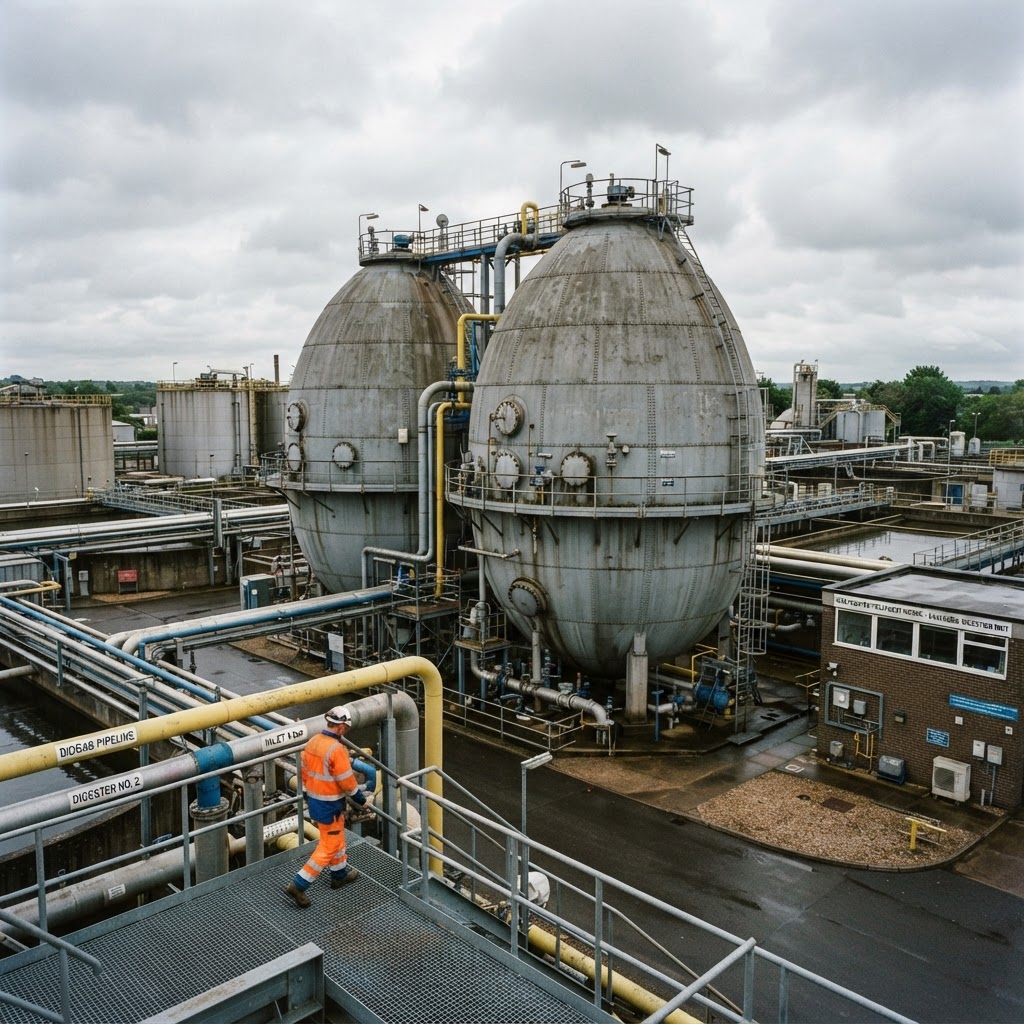
Secondary release is a particularly frustrating failure mode because it happens after the biology worked correctly. If WAS sits too long in a holding tank or thickener without oxygen, PAOs run out of stored energy and release the phosphorus they'd taken up, sending it right back into the plant, often through a return stream that bypasses the biological process entirely. Minimizing detention time for phosphorus-rich sludge streams before dewatering or digestion is a straightforward, frequently overlooked fix.
EBPR performance should be tracked with more than just final effluent phosphorus. Orthophosphate profiling across the anaerobic and aerobic zones (rising in the anaerobic zone, falling sharply in the aerobic zone) confirms the mechanism is actually working, rather than phosphorus removal happening incidentally through simple biomass growth uptake, a much smaller and less reliable effect that can mask a failing EBPR process until loading or wasting shifts expose it.
Worked example: if a plant's anaerobic zone shows 2 mg/L nitrate at the inlet, that's enough nitrate to consume a meaningful share of the incoming VFA load before PAOs ever access it. Reducing internal recycle rate slightly, or shortening the aerobic zone's contribution to RAS nitrate, can close that gap without a capital project.
A practical monitoring routine worth adopting: profile orthophosphate at the anaerobic zone inlet, anaerobic zone outlet, and aerobic zone outlet weekly. A properly functioning EBPR system shows phosphorus rising through the anaerobic zone (release) and falling sharply through the aerobic zone (uptake). If that pattern is flat or reversed, the anaerobic zone isn't doing its job even if final effluent phosphorus still happens to look acceptable that week.
Don't stop at the article.
The industry's most useful newsletter, straight from the plant floor.
One email. No fluff. New lessons, equipment breakdowns, and process control notes, delivered when there's something worth reading.