
Nitrification Troubleshooting: When Ammonia Won't Come Down
Ammonia effluent creeping up despite normal DO and MLSS? Here's the systematic way to find out why nitrification is stalling.
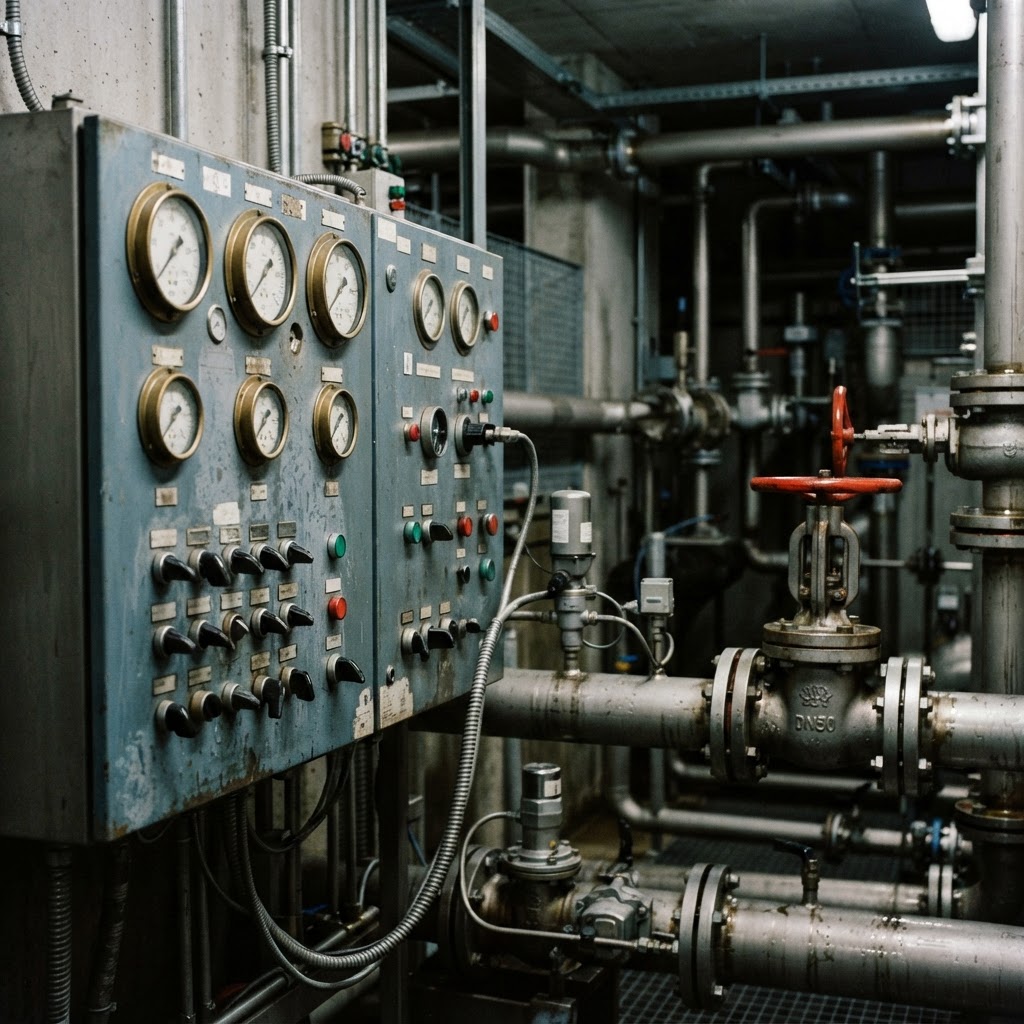
When effluent ammonia starts climbing and the usual explanations don't hold up, most operators reach for the DO meter first. That's a reasonable instinct, but low DO is only one of several ways nitrification stalls, and chasing it alone often wastes days while the real cause sits untouched.
Start by ruling out the basics in order: DO below 2.0 mg/L in the aerobic zone, pH below 6.5 or above 8.5, and alkalinity under roughly 50 mg/L as CaCO3. Nitrifiers are far more sensitive to all three than the heterotrophic bacteria removing BOD, so a plant can look perfectly normal on BOD removal while nitrification quietly falls apart. Pull a few days of pH and alkalinity data alongside your ammonia trend before assuming it's a DO problem.
If those three check out, look at SRT next. Nitrifying bacteria grow slowly, and if your sludge age has drifted shorter than your plant's minimum nitrification SRT, especially as water temperatures drop, you're washing nitrifiers out faster than they can reproduce. This is the most common seasonal cause of ammonia excursions: a wasting rate that was fine in August becomes too aggressive by December, and nobody adjusted for it.
Toxicity is the culprit operators check last but should check earlier. Nitrifiers are inhibited by industrial slug loads (heavy metals, high ammonia concentrations from certain waste streams, chlorine or cleaning chemicals) at doses that barely affect BOD removal. If an ammonia spike lines up with a specific day or shift, cross-reference your industrial pretreatment logs before assuming it's a process control issue.
Once you've corrected the root cause, give the system time. Nitrifier populations recover over one to two sludge ages, not overnight, resist the urge to keep changing variables every day while you wait, since that makes it impossible to tell what actually fixed it.
Seasonal transition periods deserve extra scrutiny because nitrification failures often cluster around spring and fall, when temperature swings happen faster than plants adjust SRT. A plant that nitrified reliably through a stable summer can lose nitrification within a couple of weeks as temperatures drop into the low 50s°F, particularly if wasting rates weren't proactively reduced ahead of the seasonal shift. Building a seasonal SRT target table in advance, rather than reacting after ammonia already exceeds limits, prevents most of these predictable excursions.
It's also worth distinguishing a true nitrification failure from a temporary ammonia spike caused by a hydraulic event. A single high-ammonia reading following a major storm or an unusually high-flow shift is often a dilution and detention-time issue, not a biological failure, the nitrifier population is intact but didn't have enough contact time to fully convert the load. Compare the ammonia trend against flow and rainfall records before concluding the biology itself needs correcting.
Lab data quality matters more here than in most process areas because ammonia analysis is sensitive to sample handling. Samples held too long before analysis, or collected without proper preservation, can show artificially low or high readings that send operators chasing a problem that doesn't exist. If an ammonia reading looks inconsistent with everything else you're seeing in the plant, verify sample handling and consider a repeat sample before making an operational change based on it.
When nitrification does fail and you've corrected the root cause, consider bioaugmentation products (commercially available nitrifier cultures) only as a bridge, not a substitute for fixing the underlying SRT or toxicity issue. These products can shorten recovery time in some cases, but adding bacteria to a system that still can't support their survival, due to short SRT or ongoing toxicity, is a temporary and expensive patch, not a fix.
A structured troubleshooting sequence, rather than changing multiple variables at once, gets to the answer faster: first confirm DO is adequate across the full basin length, then check alkalinity and pH, then check SRT against your seasonal target, and only then consider a toxicity or industrial slug load as the explanation. Most ammonia excursions resolve within the first two checks.
Keep a written log of past nitrification excursions and their eventual root cause. Ammonia problems tend to repeat with similar seasonal or loading triggers, and a plant's own history is often a faster diagnostic reference than starting from general troubleshooting principles each time.
Don't stop at the article.
The industry's most useful newsletter, straight from the plant floor.
One email. No fluff. New lessons, equipment breakdowns, and process control notes, delivered when there's something worth reading.