Membrane Bioreactors: Are They Worth the Switch?
MBRs deliver effluent quality conventional clarifiers can't match, but the tradeoffs in fouling, energy use, and O&M complexity are real.
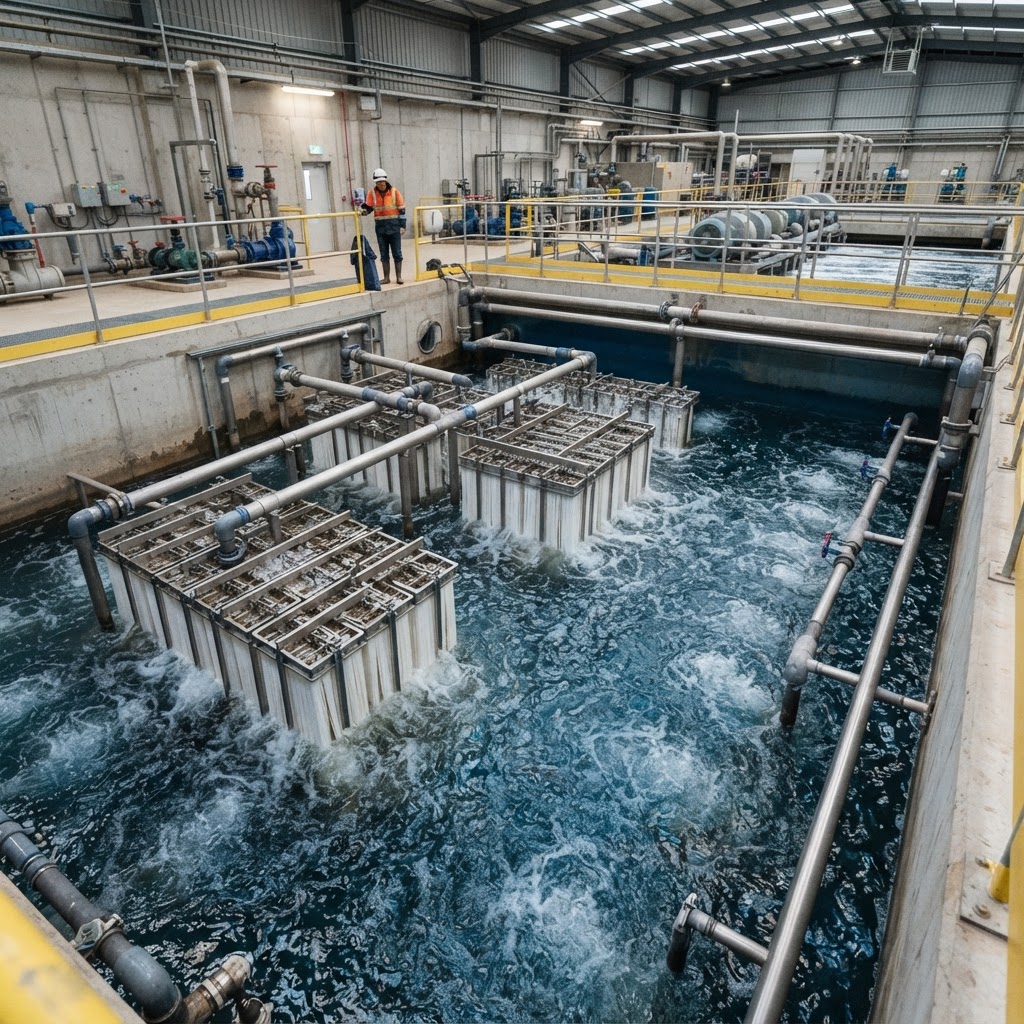
Membrane bioreactors replace the secondary clarifier with submerged hollow-fiber or flat-sheet membranes that filter mixed liquor directly, producing effluent clear enough to skip conventional filtration entirely. For utilities facing tight nutrient limits, water reuse requirements, or a footprint too small for conventional clarifiers, MBRs are often the only technology that fits. That doesn't mean they're the right call for every plant, and the tradeoffs deserve a clear-eyed look before committing.
The effluent quality advantage is real and well-documented. Because the membrane pore size (typically 0.03-0.4 microns) physically excludes suspended solids, MBR effluent TSS is often below 1 mg/L regardless of upstream settling performance, something a conventional clarifier simply cannot guarantee during a bulking event. This also means MBRs can run at much higher MLSS concentrations, often 8,000-12,000 mg/L compared to 2,000-4,000 mg/L in conventional systems, since the membrane rather than gravity settling handles solids separation. Higher MLSS means smaller aeration basin footprint for the same organic loading, which is often the deciding factor for plants retrofitting into constrained sites.
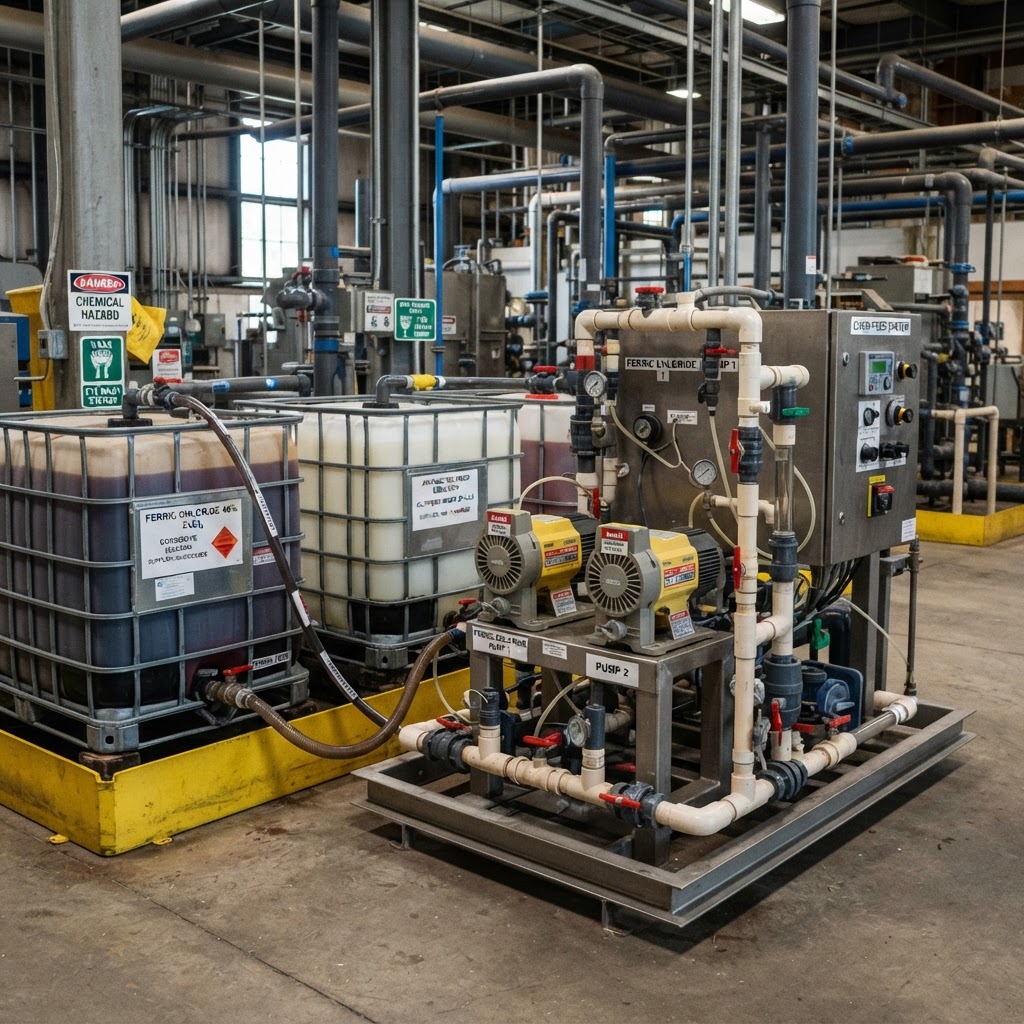
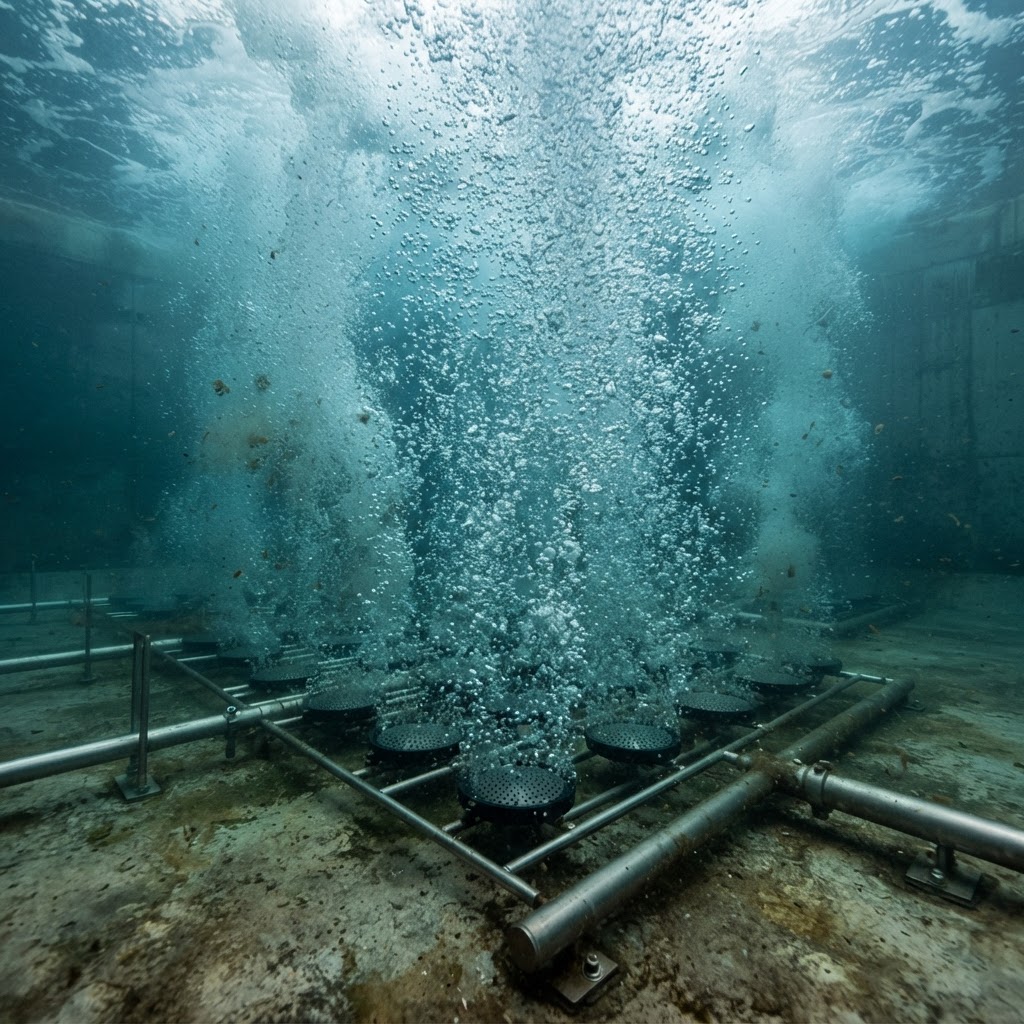
Fouling is the operational cost of that performance. Membranes accumulate a biological and inorganic fouling layer that increases transmembrane pressure over time, and managing it consumes real staff attention. Most systems rely on coarse bubble aeration scouring beneath the membranes continuously, combined with periodic chemical cleaning (maintenance cleans weekly to monthly, more intensive recovery cleans a few times a year) using sodium hypochlorite and citric acid. Skipping or delaying cleanings doesn't just reduce flux gradually, it can lead to irreversible fouling that permanently reduces membrane capacity and shortens replacement intervals.
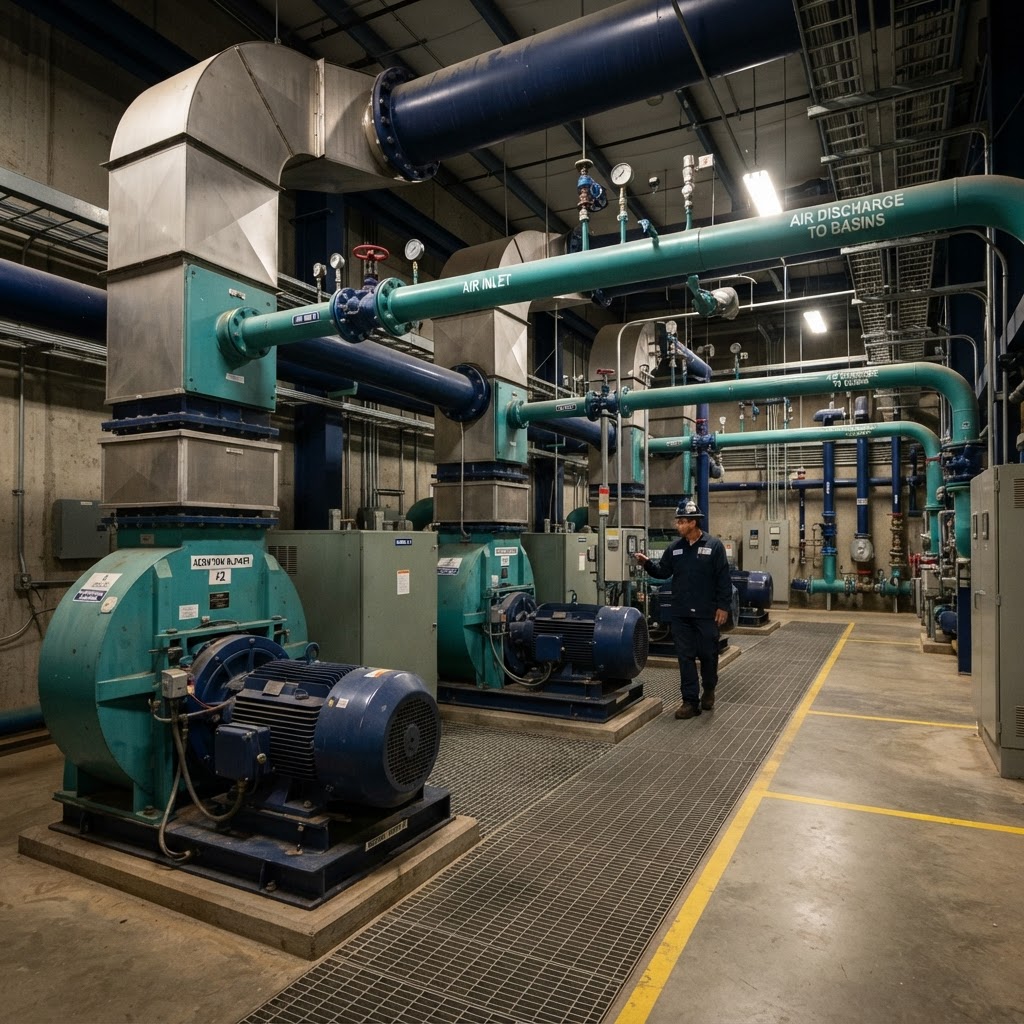
Energy consumption runs meaningfully higher than conventional activated sludge, primarily from two sources: the coarse bubble scouring air (separate from and in addition to process aeration) and the vacuum or pressure needed to pull permeate through the membrane. Total energy use is commonly 30-50% higher than a comparable conventional plant, a number that matters over a 15-20 year membrane system life and should be weighed against footprint and effluent quality benefits during planning, not discovered after startup.
Membrane life is finite and the eventual replacement cost is significant. Manufacturers typically warranty membranes for 7-10 years, though actual life depends heavily on how well fouling control and pretreatment (screening ahead of the membrane basin needs to be finer than conventional plants, typically 1-3mm, to protect the fibers from rag and hair damage) are managed. Budgeting for membrane replacement as a recurring capital cost, not a surprise, is one of the most common planning gaps utilities run into a decade after commissioning.
For plants where effluent limits or footprint truly require it, MBRs deliver performance nothing else can match. For plants without those specific drivers, the added O&M complexity and energy cost are a real tradeoff against a conventional upgrade that might achieve compliance for meaningfully less lifecycle cost.
A practical fouling-management routine worth adopting: track transmembrane pressure (TMP) trend daily rather than reacting only when it crosses an alarm threshold. A TMP trend that's climbing steadily, even while still within the normal operating range, gives lead time to schedule a maintenance clean before an emergency recovery clean becomes necessary.
Pilot testing before a full-scale MBR conversion, running a small side-stream membrane unit on actual plant wastewater for several months, reveals fouling behavior specific to your water chemistry that generic vendor specifications can't fully predict.
Don't stop at the article.
The industry's most useful newsletter, straight from the plant floor.
One email. No fluff. New lessons, equipment breakdowns, and process control notes, delivered when there's something worth reading.